Alcohol-Free

Here you’ll find alcohol-free alternatives that actually make you happy. All of them with a link to wine. Every bottle tells a story and is selected with the same strict 1% selection, bold character, and storytelling as their wine selection. Fully fledged flavour-makers to proudly put on the table — for any dinner, gift, or drink.

Alcohol-Free

Here you’ll find alcohol-free alternatives that actually make you happy. All of them with a link to wine. Every bottle tells a story and is selected with the same strict 1% selection, bold character, and storytelling as their wine selection. Fully fledged flavour-makers to proudly put on the table — for any dinner, gift, or drink.

11 results
  • Easy
  • Bio
Non-alcoholic
€11.49
in stock
  • Bubbly
Non-alcoholic
€10.49
in stock
€82.94
€81.99
8 left in stock
  • Bubbly
  • Bio
Non-alcoholic
€13.49
in stock
€8.99
in stock
  • Mellow
Non-alcoholic
€15.99
in stock
€17.99
in stock
  • Mellow
  • Bio
Non-alcoholic
€15.99
in stock
  • Smooth
Non-alcoholic
€20.99
in stock
  • Easy
Non-alcoholic
€20.99
in stock
  • Mellow
Non-alcoholic
€17.99
5 left in stock

Everything You Want to Know About Alcohol-Free Alternatives

Read all about the different types of alcohol-free drinks, the production process, and their flavour.

Alcohol-free has grown up. From fine-dining restaurants to Sunday brunch, more and more people are consciously choosing a glass without alcohol. But too often, that still means compromising on flavour or character. While almost all well-known beer brands now offer a tasty 0.0 option, it’s no secret that creating a good alcohol-free wine is quite a challenge. And that’s not surprising: beer contains only about 5% alcohol, while wine is usually around 12%. On top of that, beer almost always has bubbles, which makes it easier to mask missing flavours. Wine doesn’t have that luxury. This makes it technically far more difficult to replicate that familiar wine taste. That’s why we went looking for other alcohol-free alternatives. Not timid soft drinks or generic bubbles, but real flavour experiences, all with a link to wine. From a Sparkling Tea made by a small winemaker to a grape-based Kombucha. Discover them yourself!

Grape Kombucha: fresh and lightly sparkling!

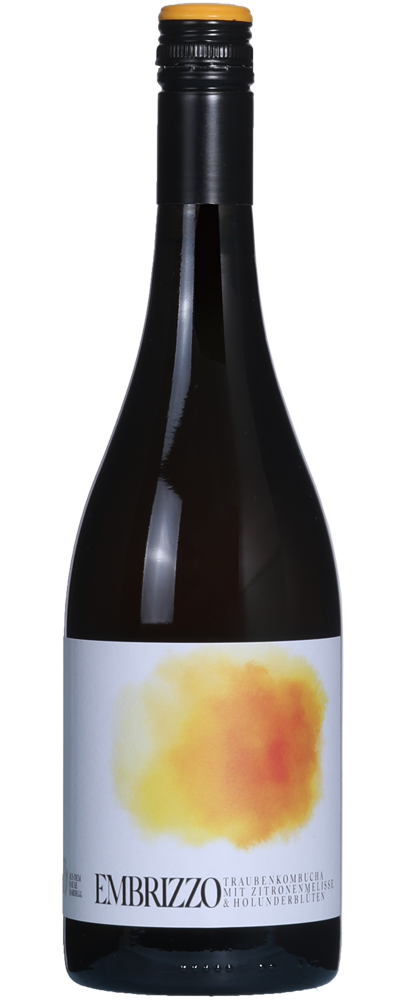
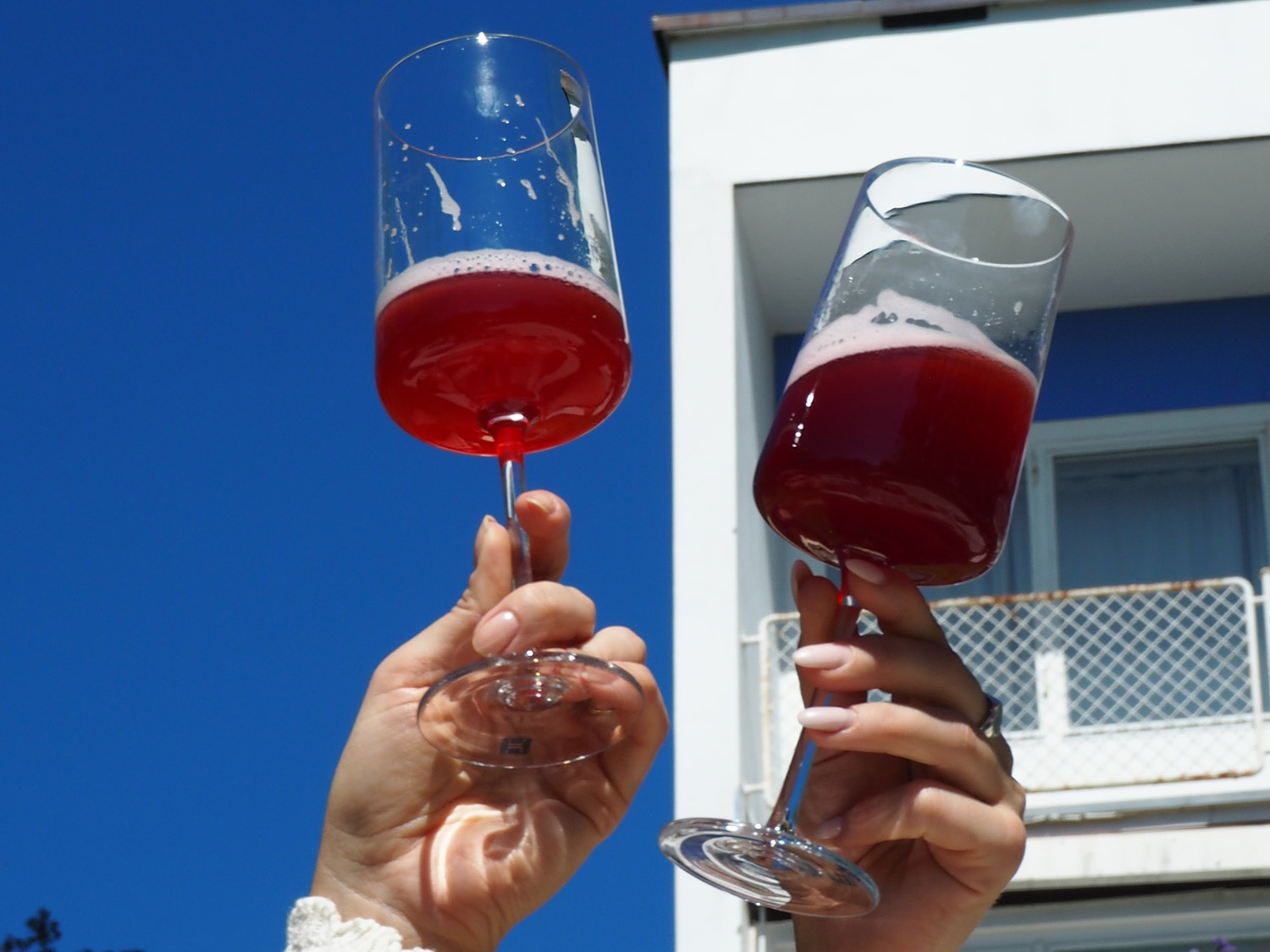
Kombucha is usually made by fermenting sweetened tea, but in this case grape juice, with the help of a living culture: the SCOBY. This stands for Symbiotic Culture of Bacteria and Yeast. It’s a combination of bacteria and yeasts that together kick-start the fermentation process. The end result is a fresh, lightly sparkling and alcohol-free drink with characteristic acidity and complexity. At Gut Hardegg, they choose to blend their grape kombucha with their own dealcoholised wine. This creates a drink with a complexity and mouthfeel similar to wine with alcohol. Ideal as an aperitif or paired with food.

Ferment & Sparkling Tea

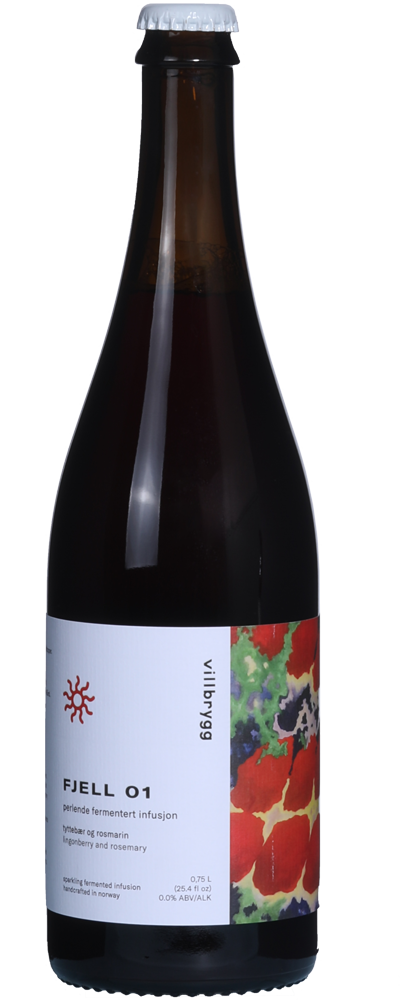
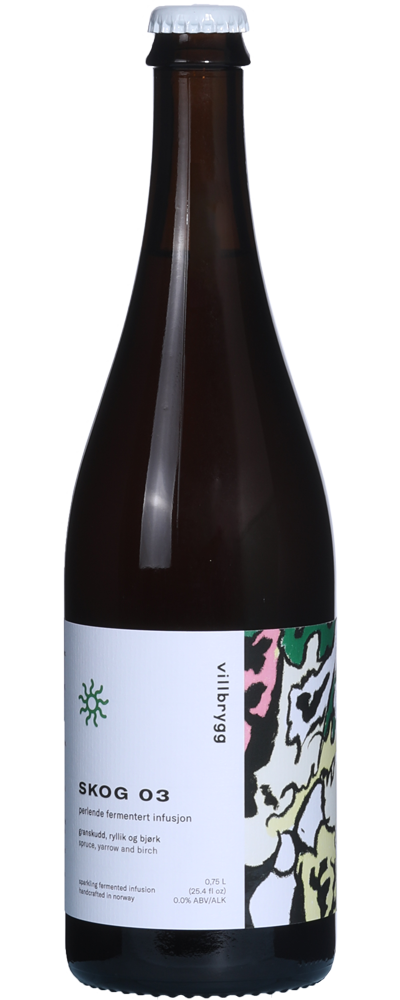
The Fjell 01 and Skog 03 from the Norwegian producer Villbrygg are made using lacto-fermentation. Lacto-fermentation is a natural fermentation method in which lactic acid bacteria (lactobacillus) convert sugars into lactic acid, instead of alcohol as yeast does. It’s the same technique that gives kimchi, kefir, and sauerkraut their fresh acidity and complexity. From a flavour perspective, it adds layers: aromas of citrus, herbs, gentle acidity, and sometimes a light, funky tension. This gives alcohol-free drinks a wine-like character: not sweet, not flat, but lively and multi-layered. With a soft, rounded acidity similar to wine, less sharp than citric acid and less sweet than apple juice.

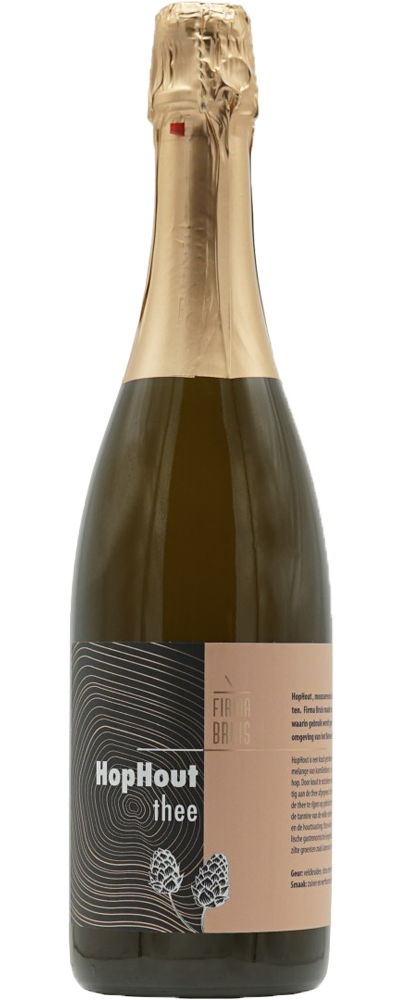
For Sparkling Tea, white tea is usually used, which is cold-infused. This preserves its fresh aromas and reduces bitterness. The result is a clean, neutral base to build on. This base is then infused with carefully selected herbs and flowers, and sometimes fruit. The Hophout Thee Sparkling Tea from Betuws Wijndomein is then aged, just like their wines, in wooden barrels. This gives the drink structure, a rounded mouthfeel, and length. The result is a dry, gastronomic drink with elegant citrus notes, soft herbal tones, and a hint of woody aromas!

Grape Juice and Alcohol-Free Wine

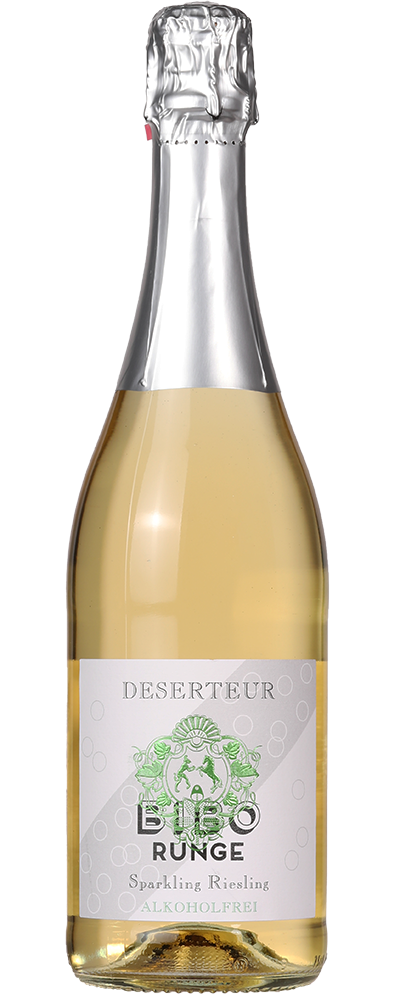
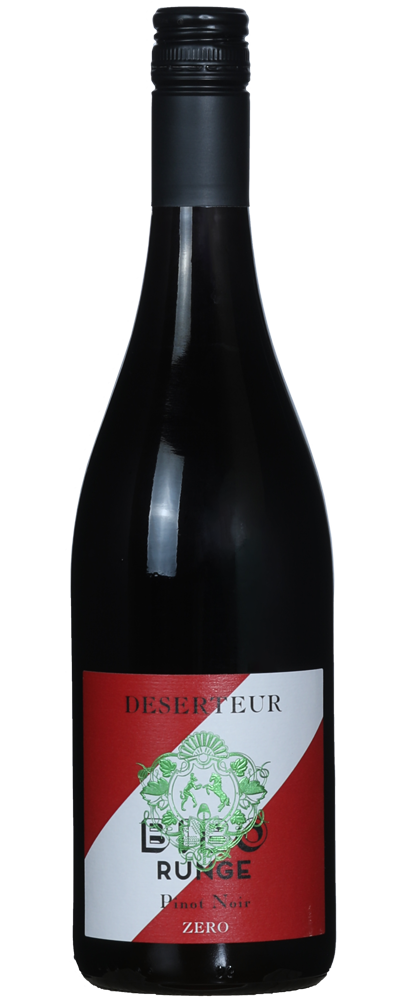
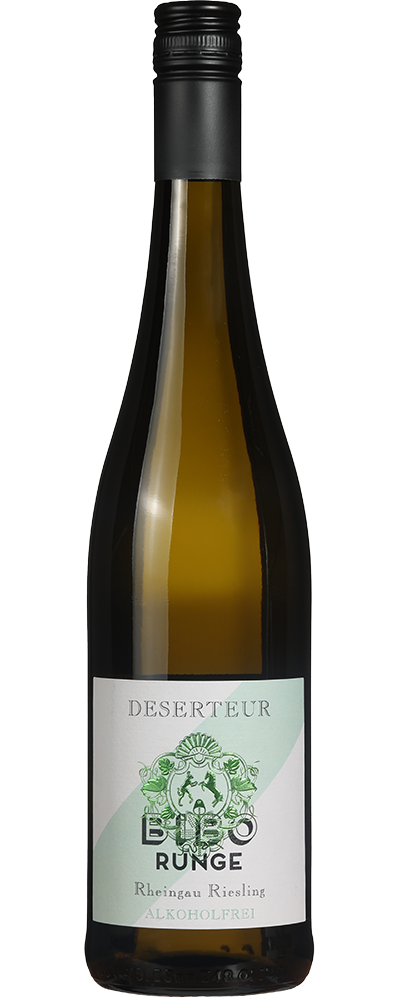
Alcohol-free wine is made by first producing regular wine. The alcohol is then removed through a process called reverse osmosis. This method helps preserve most of the flavours and aromas, but with less than 0.5% alcohol or none at all. We’ve been fans of the alcohol-free sparkling Pas du Tout for years. It’s rated 4 stars by more than 200 customers and often comes out on top in independent tasting panels! We also offer three alcohol-free wines from Bibo Runge: a Riesling, a Pinot Noir, and a sparkling wine.

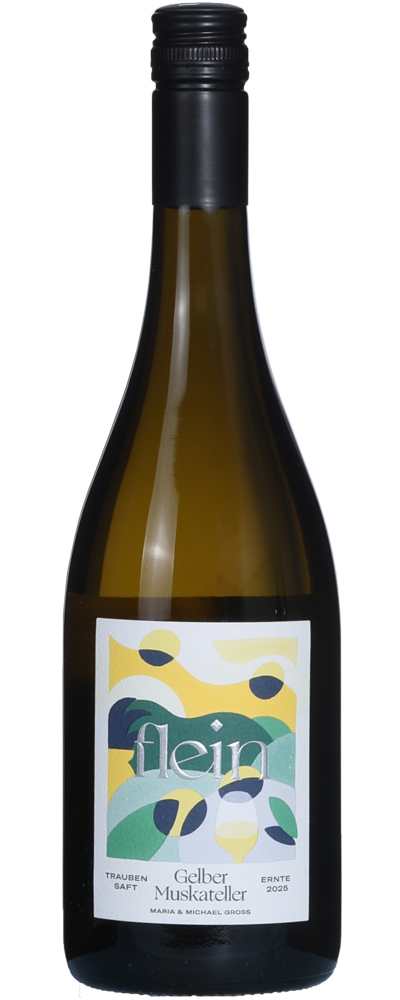
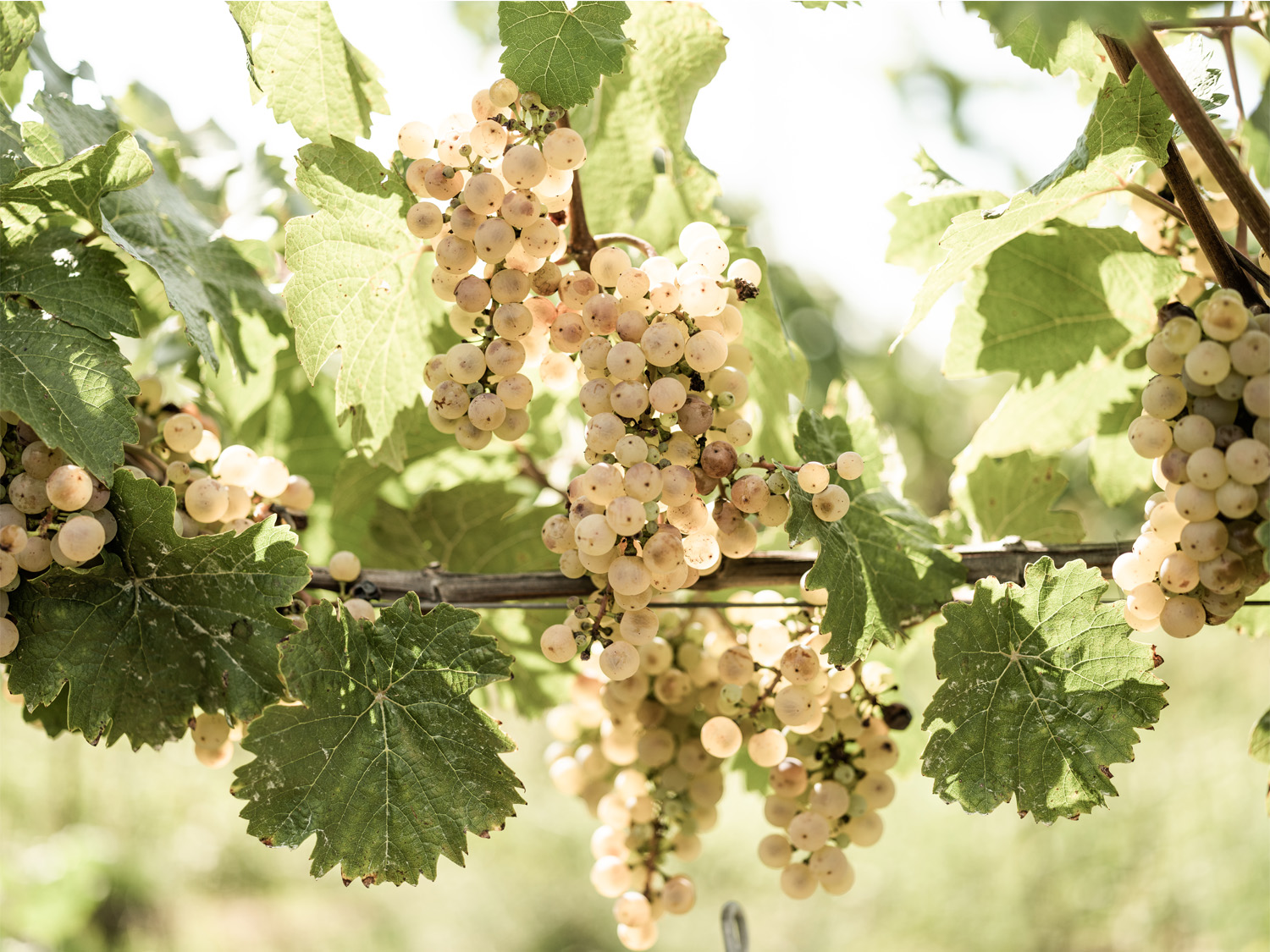
At Flein, they make grape juice. The story of Flein began with a question: why can’t you recognise the grape variety in grape juice the way you can in wine? So they set out to explore whether it was possible to preserve the green notes of sauvignon blanc or the floral character of muskateller, while turning it into juice instead of wine. Flein comes from vineyards cultivated specifically for juice production. In these “Flein gardens” (in German, Fleingarten instead of Weingarten), the vines are carefully tended by hand. The secret behind their juices is surprisingly simple: the grapes are harvested extremely early, when they are still firm and green. Yields are therefore very low, but this also preserves a high level of acidity in the juice. Pressing is then done very gently, similar to Champagne, extracting only up to 55% of the potential, which prevents tannins from the still-green skins from entering the juice. The result is the Gross Flein Gelber Muskateller: naturally sweet, yet also fresh with acidity and full of floral aromas.

Everything You Want to Know About Alcohol-Free Alternatives

Read all about the different types of alcohol-free drinks, the production process, and their flavour.

Alcohol-free has grown up. From fine-dining restaurants to Sunday brunch, more and more people are consciously choosing a glass without alcohol. But too often, that still means compromising on flavour or character. While almost all well-known beer brands now offer a tasty 0.0 option, it’s no secret that creating a good alcohol-free wine is quite a challenge. And that’s not surprising: beer contains only about 5% alcohol, while wine is usually around 12%. On top of that, beer almost always has bubbles, which makes it easier to mask missing flavours. Wine doesn’t have that luxury. This makes it technically far more difficult to replicate that familiar wine taste.

That’s why we went looking for other alcohol-free alternatives. Not timid soft drinks or generic bubbles, but real flavour experiences, all with a link to wine. From a Sparkling Tea made by a small winemaker to a grape-based Kombucha. Discover them yourself!

Grape Kombucha: fresh and lightly sparkling!

Kombucha is usually made by fermenting sweetened tea, but in this case grape juice, with the help of a living culture: the SCOBY. This stands for Symbiotic Culture of Bacteria and Yeast. It’s a combination of bacteria and yeasts that together kick-start the fermentation process. The end result is a fresh, lightly sparkling and alcohol-free drink with characteristic acidity and complexity. At Gut Hardegg, they choose to blend their grape kombucha with their own dealcoholised wine. This creates a drink with a complexity and mouthfeel similar to wine with alcohol. Ideal as an aperitif or paired with food.

Ferment & Sparkling Tea

The Fjell 01 and Skog 03 from the Norwegian producer Villbrygg are made using lacto-fermentation. Lacto-fermentation is a natural fermentation method in which lactic acid bacteria (lactobacillus) convert sugars into lactic acid, instead of alcohol as yeast does. It’s the same technique that gives kimchi, kefir, and sauerkraut their fresh acidity and complexity. From a flavour perspective, it adds layers: aromas of citrus, herbs, gentle acidity, and sometimes a light, funky tension. This gives alcohol-free drinks a wine-like character: not sweet, not flat, but lively and multi-layered. With a soft, rounded acidity similar to wine, less sharp than citric acid and less sweet than apple juice.

For Sparkling Tea, white tea is usually used, which is cold-infused. This preserves its fresh aromas and reduces bitterness. The result is a clean, neutral base to build on. This base is then infused with carefully selected herbs and flowers, and sometimes fruit.

The Hophout Thee Sparkling Tea from Betuws Wijndomein is then aged, just like their wines, in wooden barrels. This gives the drink structure, a rounded mouthfeel, and length. The result is a dry, gastronomic drink with elegant citrus notes, soft herbal tones, and a hint of woody aromas!
Grape Juice and Alcohol-Free Wine

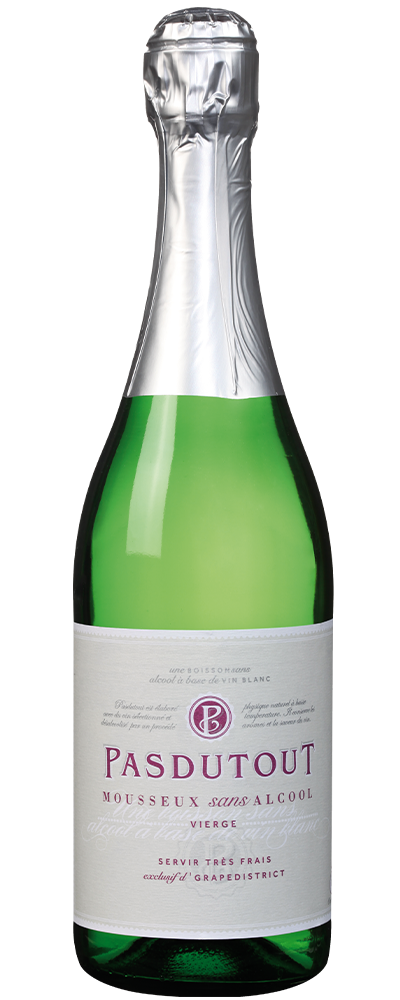
Alcohol-free wine is made by first producing regular wine. The alcohol is then removed through a process called reverse osmosis. This method helps preserve most of the flavours and aromas, but with less than 0.5% alcohol or none at all. We’ve been fans of the alcohol-free sparkling Pas du Tout for years. It’s rated 4 stars by more than 200 customers and often comes out on top in independent tasting panels! We also offer three alcohol-free wines from Bibo Runge: a Riesling, a Pinot Noir, and a sparkling wine.

At Flein, they make grape juice. The story of Flein began with a question: why can’t you recognise the grape variety in grape juice the way you can in wine? So they set out to explore whether it was possible to preserve the green notes of sauvignon blanc or the floral character of muskateller, while turning it into juice instead of wine. Flein comes from vineyards cultivated specifically for juice production. In these “Flein gardens” (in German, Fleingarten instead of Weingarten), the vines are carefully tended by hand. The secret behind their juices is surprisingly simple: the grapes are harvested extremely early, when they are still firm and green. Yields are therefore very low, but this also preserves a high level of acidity in the juice. Pressing is then done very gently, similar to Champagne, extracting only up to 55% of the potential, which prevents tannins from the still-green skins from entering the juice. The result is the Gross Flein Gelber Muskateller: naturally sweet, yet also fresh with acidity and full of floral aromas.