
28
results
Details
out of stock
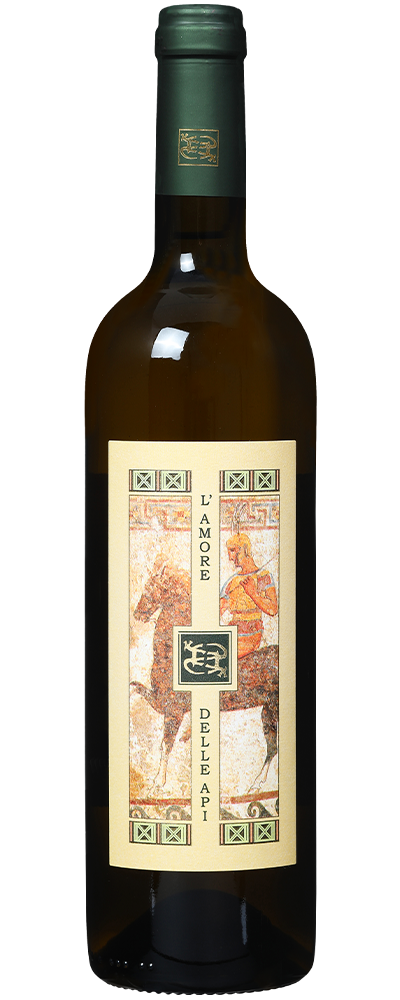
I Pentri l'Amore delle Api
Campania
, Italy
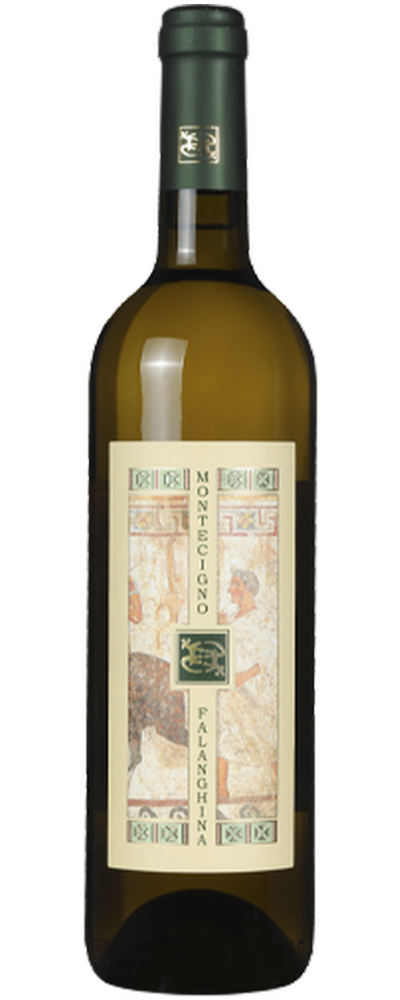
I Pentri Falanghina Monte Cigno
Campania
, Italy
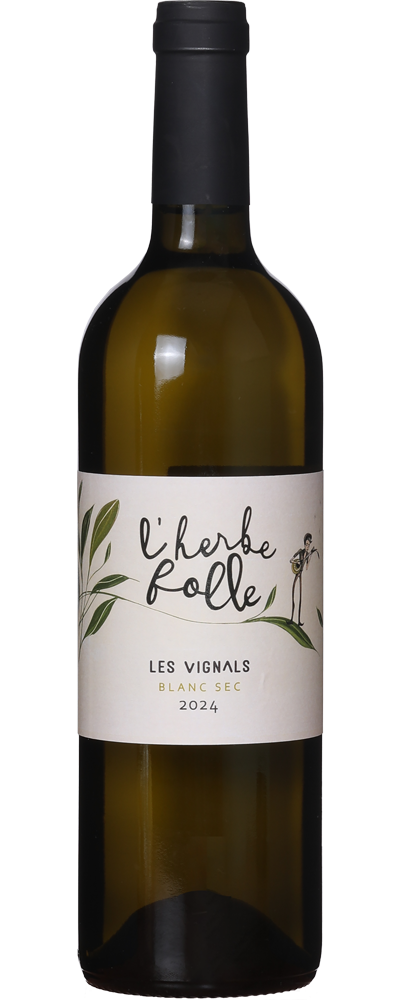
L'Herbe Folle Blanc
Côtes du tarn
, France
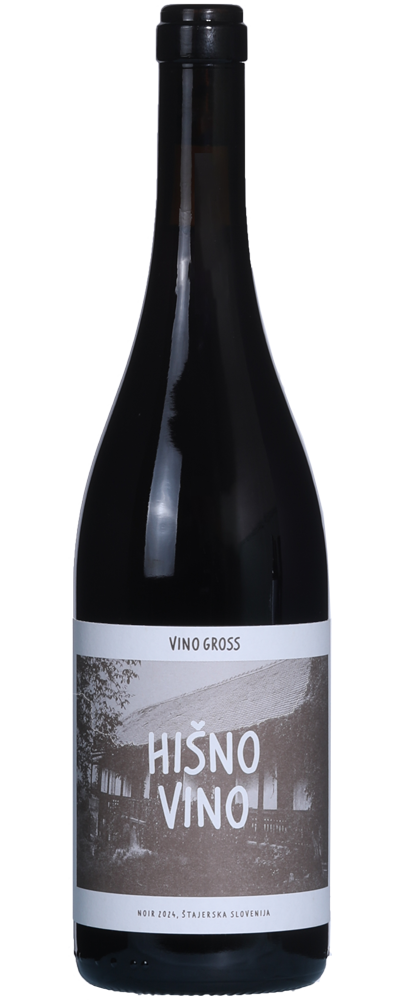
Gross Hisno Vino Noir
Stajerska
, Slovenia
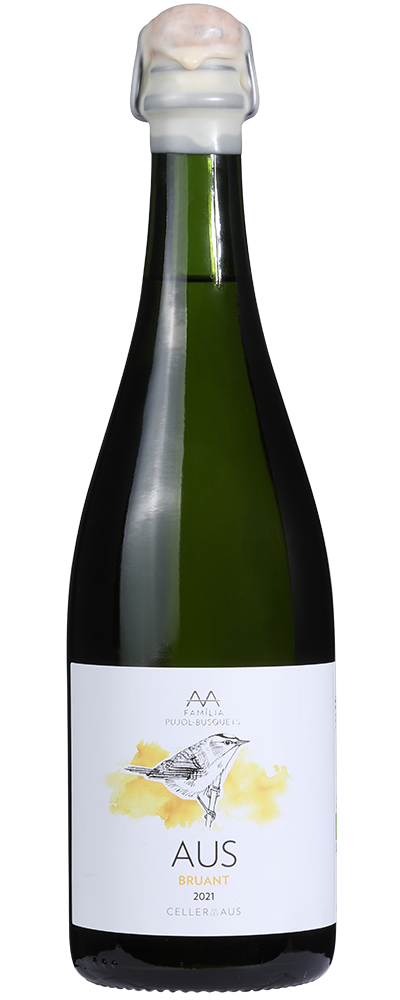
Alta Alella Bruant
Alella
, Spain
Details
out of stock
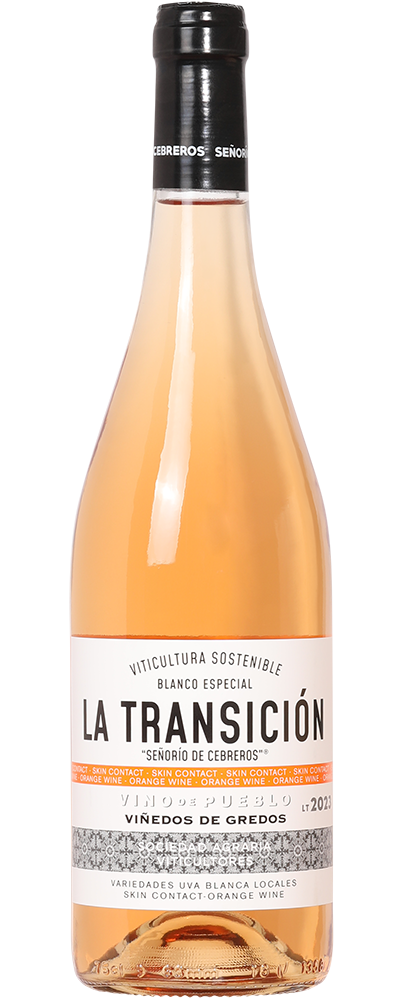
Soto Manrique La Transicion Orange
Cebreros
, Spain
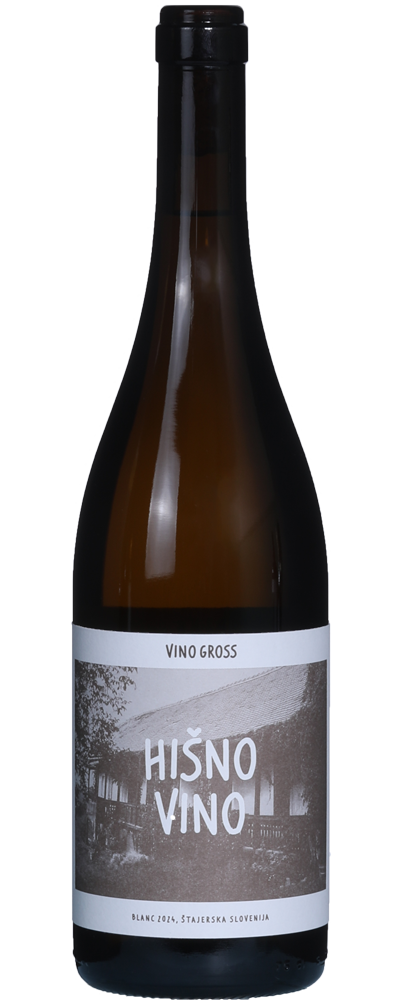
Gross Hisno Vino Blanc
Stajerska
, Slovenia
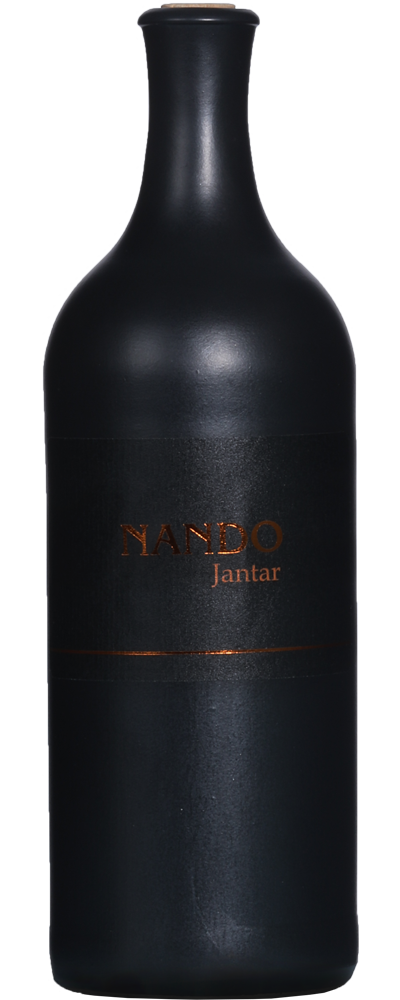
Nando Jantar Orange
Primorska
, Slovenia
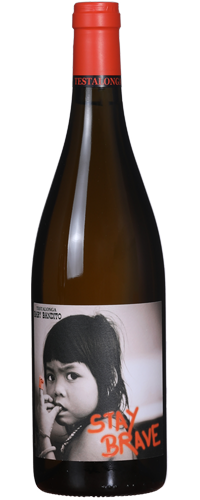
Testalonga Baby Bandito Orange
Swartland
, South africa
Details
out of stock
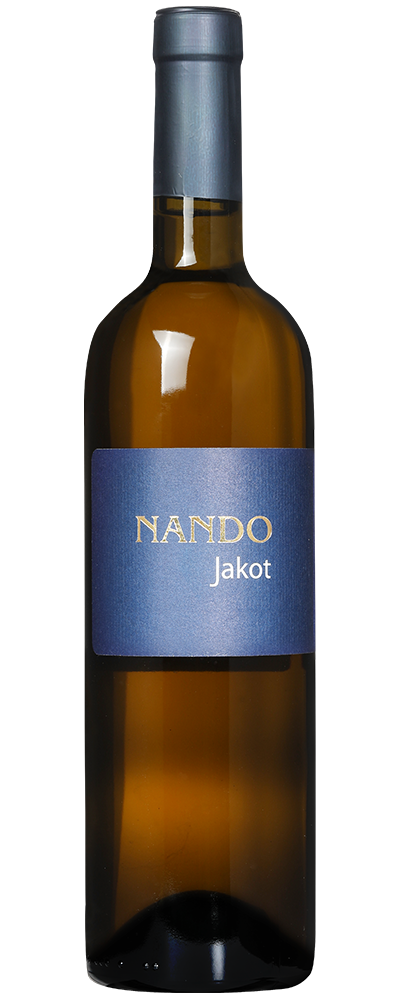
Nando Jakot Blue label
Primorska
, Slovenia
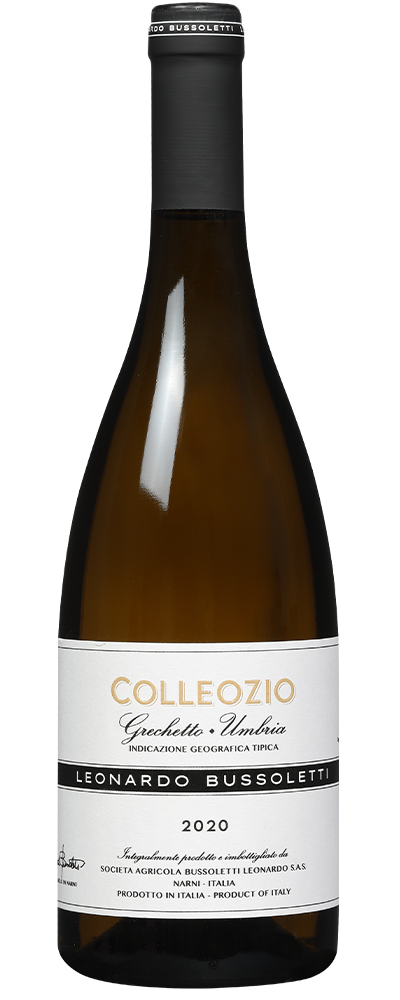
Leonardo Bussoletti Colleozio
Umbrië
, Italy
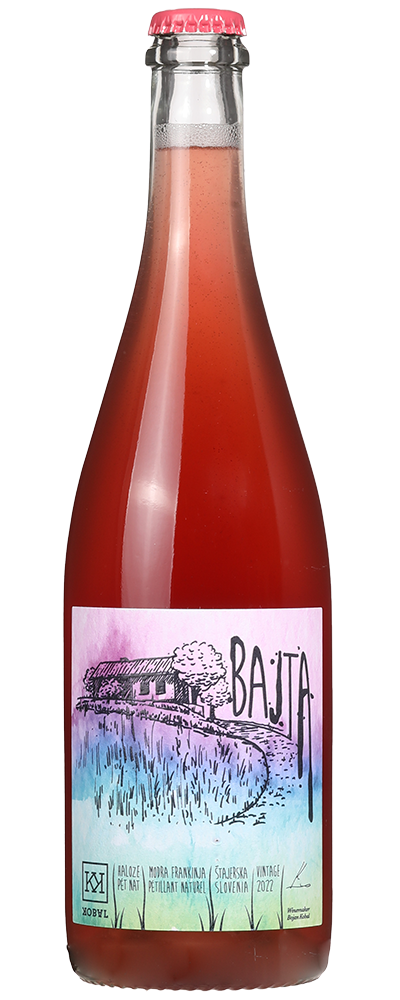
Kobal Bajta Petnat Rose
Stajerska
, Slovenia
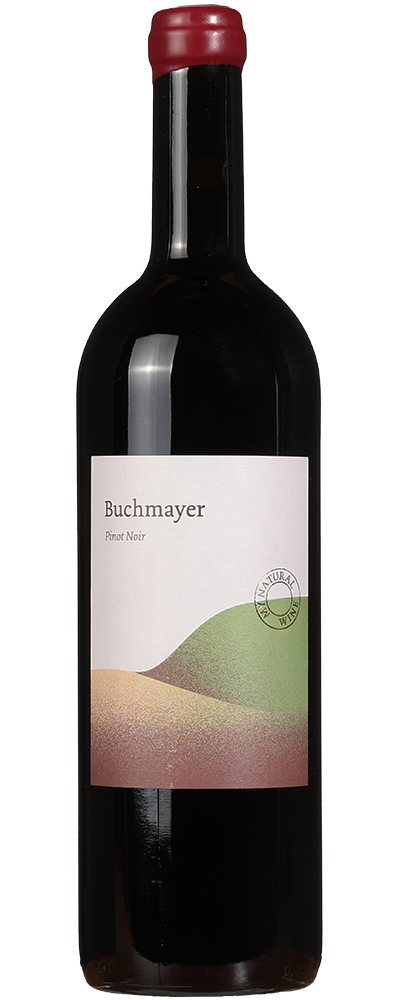
Buchmayer Pinot Noir
Weinviertel
, Austria
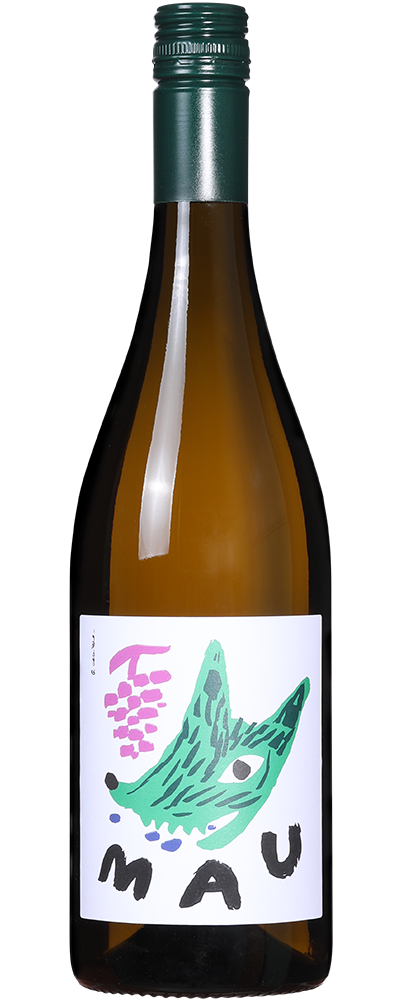
Leonardo Bussoletti Mau
Umbrië
, Italy
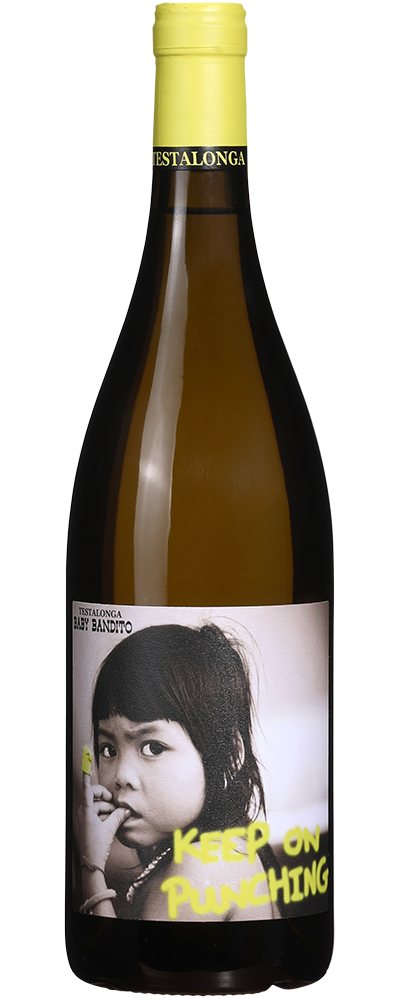
Testalonga Baby Bandito Chenin Blanc
Swartland
, South africa
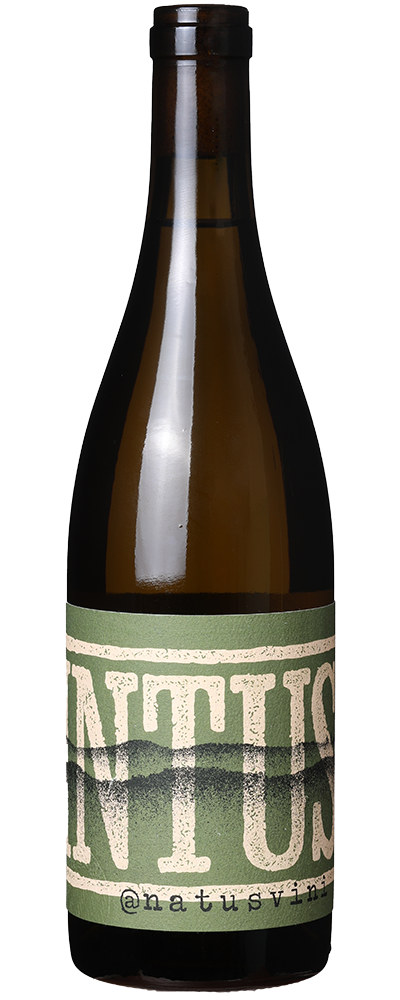
There are no official regulations for making natural wine. This means a winemaker could label their wine as natural even if they follow the same practices as their neighbor. However, there is a general consensus about what constitutes a natural wine. Most winemakers agree that natural wine must be produced using organic or biodynamic methods. The grapes must be handpicked and fermented with wild yeasts, which are naturally present in the cellar or on the grape skins. Nothing is added to the wine, such as sugars or acids, except for possibly small amounts of sulfites. The winemaker doesn’t interfere with the wine’s character (for example, by using oak aging) and does little to no clarification or filtration.
The philosophy behind natural wine is to allow nature to take its course as much as possible. Of course, winemakers still need to do certain things, like harvesting the grapes and transferring them to a tank or barrel. So, you can’t leave the wine entirely alone, but you can minimize how much you influence it. This is done by not adding yeast or altering the flavor of the wine. In conventional winemaking, winemakers might adjust the must (unfermented grape juice) by adding sugar or acid—or by removing acidity. In natural winemaking, this doesn’t happen. The wine tastes the way it does without any chemical or natural interventions. Sulfites are also added sparingly or not at all.
Natural wines are typically unfiltered or minimally filtered, which can leave them a bit cloudy. After fermentation, there are small particles in the wine, which are usually clarified and filtered out in conventional winemaking. In natural wine, these particles, such as dead yeast cells, remain in the wine. This can add some flavor and give the wine a bit more body. As a result, natural wine may taste slightly different than what you’re used to with filtered wine.
Many people assume that natural wine always has an earthy taste, but that’s not necessarily true. Just like conventional wines, the flavor of natural wine depends on many factors, including the grape variety and the region it comes from. Often, natural wines have a bit more body due to the dead yeast cells left in the wine. Flavors of straw, sand, or earth can develop as a result of this aging process, but this isn’t always the case. However, this stereotype about natural wine has emerged over time.
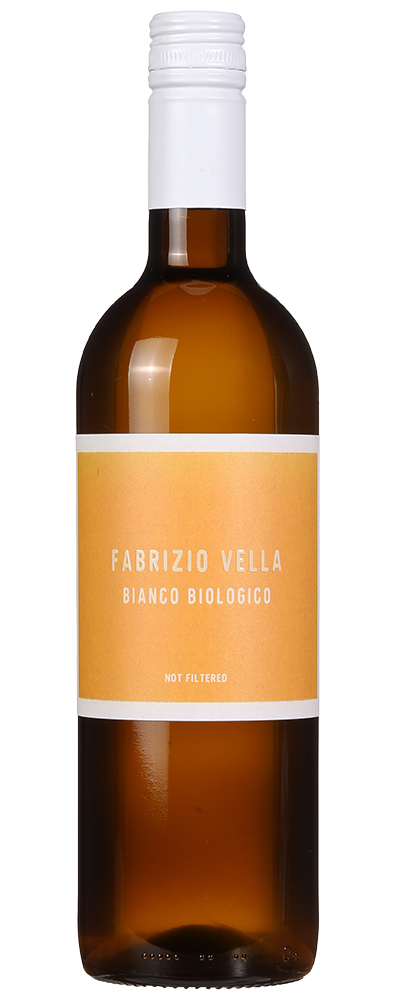
Recognizing natural wine can be tricky, as bottles rarely say "natural wine" or "vin nature" on the label. However, there are a few clues that can help. First, check if the wine is certified organic. The label may also provide useful information. Some winemakers choose to note "not filtered" or a similar phrase on the bottle, which often indicates the wine is naturally made. They also like to mention if no sulfites have been added, with phrases like "no added sulfites" or "sans sulfite ajouté" on the label. Since there are always some natural sulfites in wine, labels will typically say "no added sulfites" instead of "sulfite-free."
