
81
results
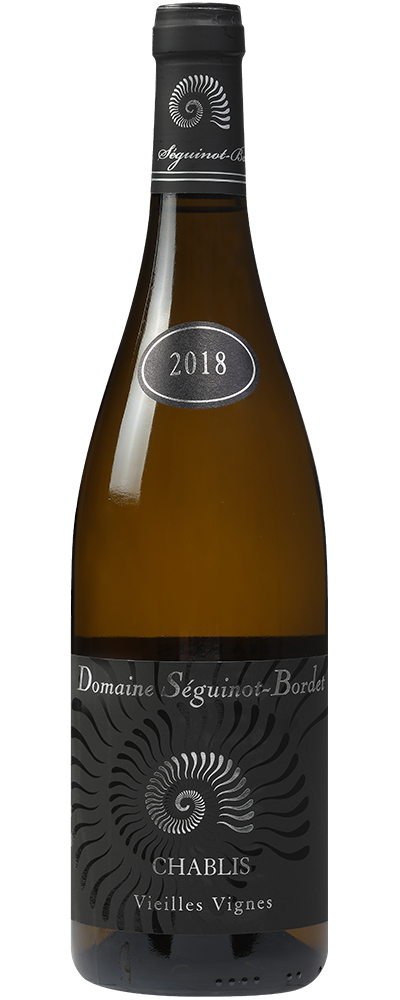
Séguinot Bordet Chablis Vieilles Vignes
Bourgogne, Chablis
, France
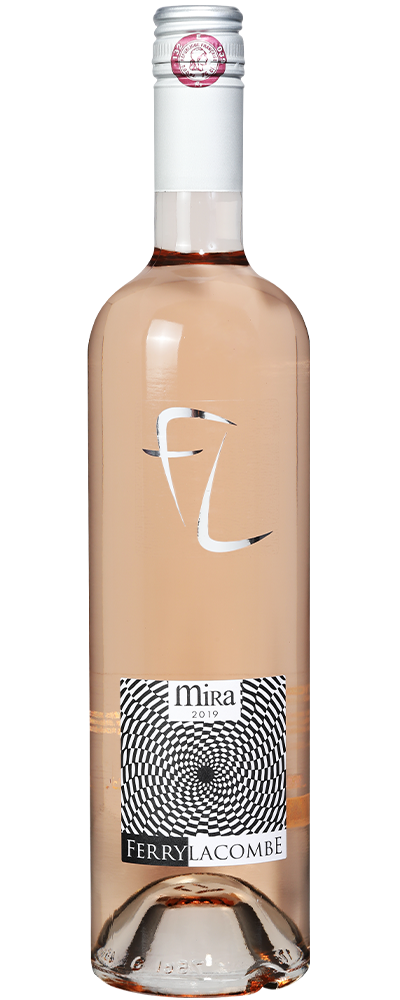
Ferry Lacombe Mira Rosé
Igp méditerranée
, France
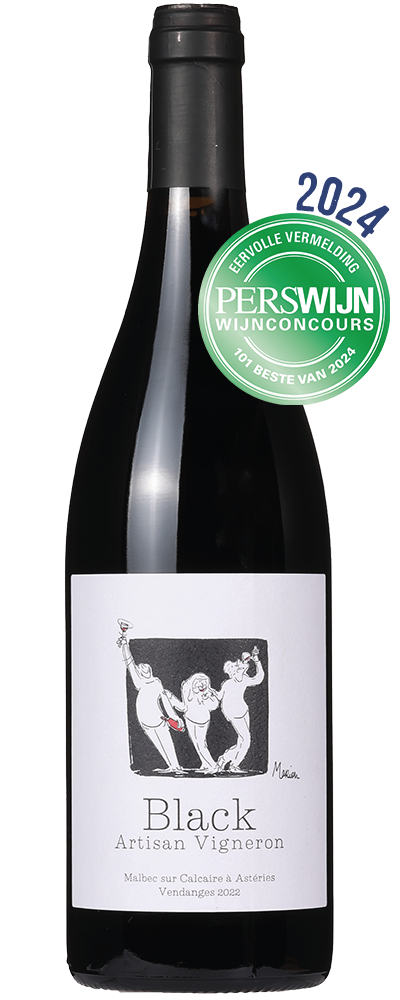
Chateau de Cranne Black Malbec
Bordeaux
, France
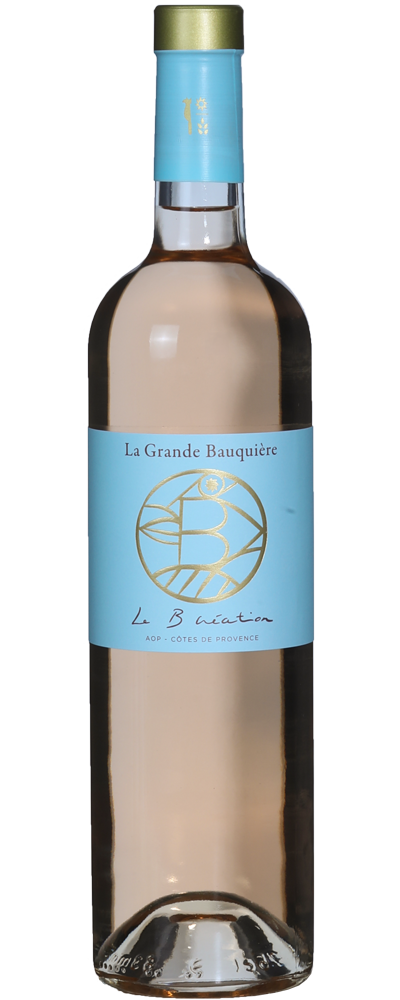
Bauquiere B Creation Rosé
Provence
, France
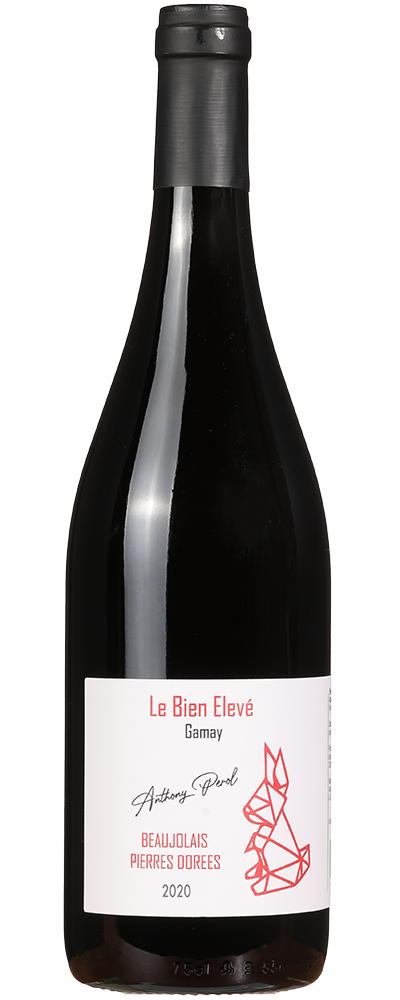
Domaine Perol-Bien Élevé Beaujolais
Beaujolais
, France
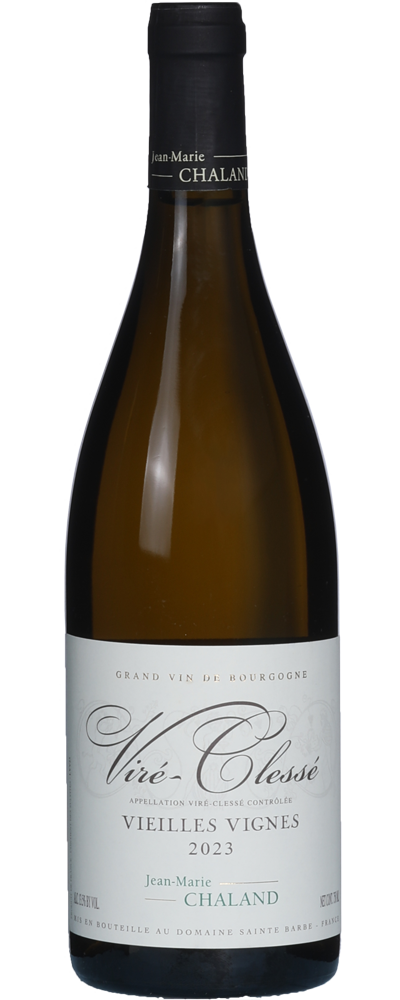
Chaland Viré Clessé Vielles Vignes
Bourgogne
, France
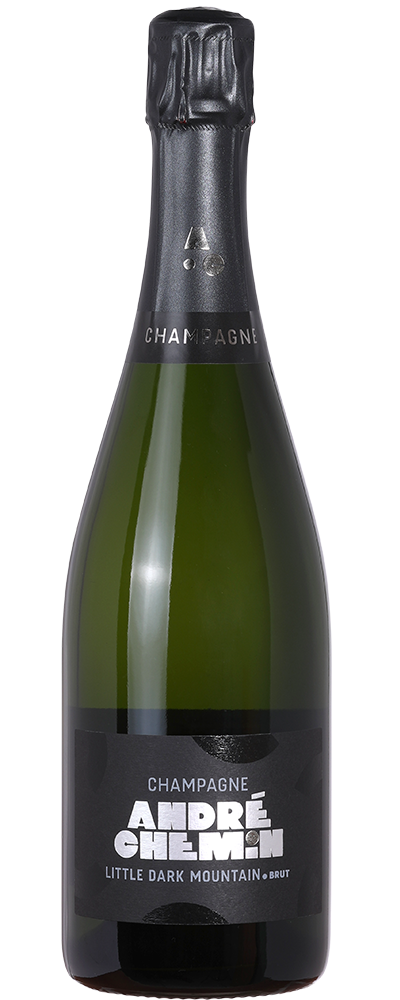
Champagne André Chemin Brut Tradition
Champagne
, France
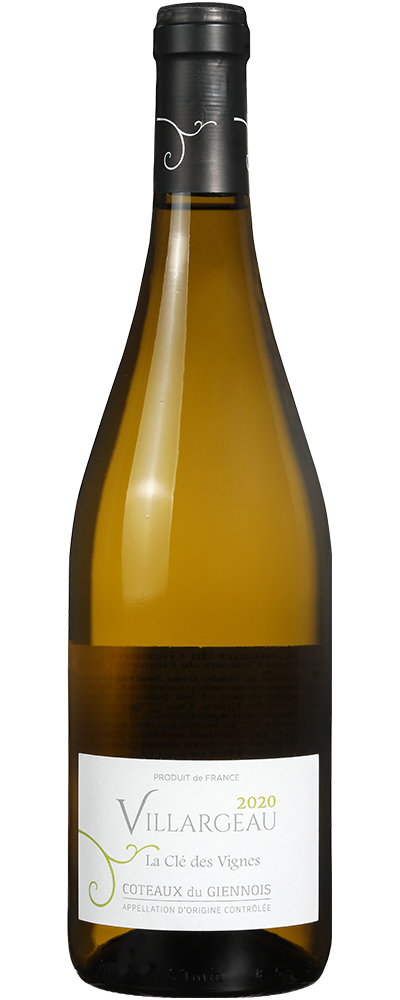
Villargeau Sauvignon Blanc
Coteaux de giennois
, France
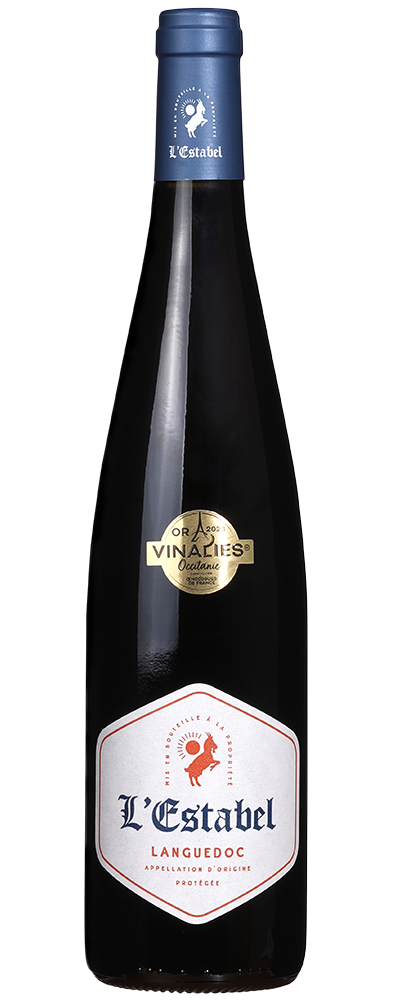
L'Estabel Rouge
Languedoc
, France
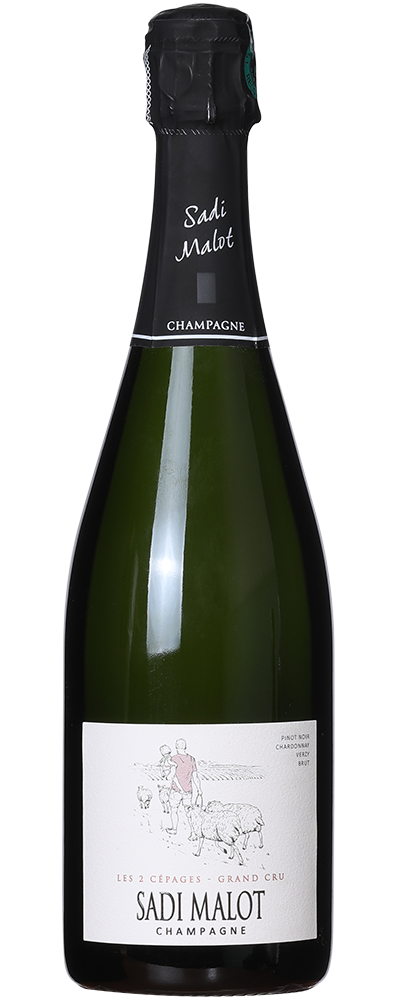
Sadi Malot Champagne Grand Cru Les 2 Cepages
Champagne
, France
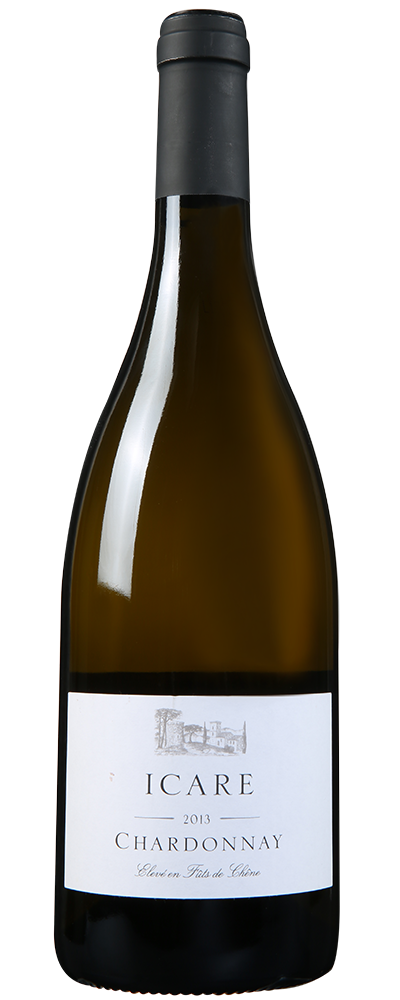
Cave Alignan Icare Chardonnay
Côtes de thongue
, France
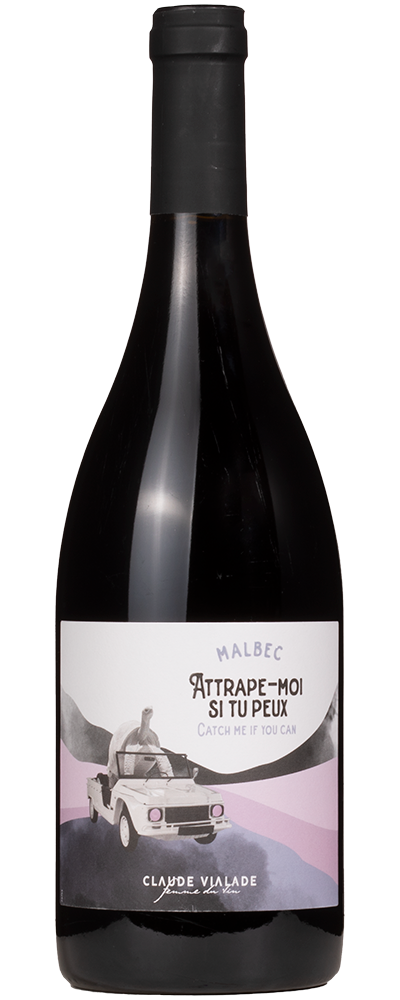
Catch Me If You Can Malbec
Pays d’oc
, France
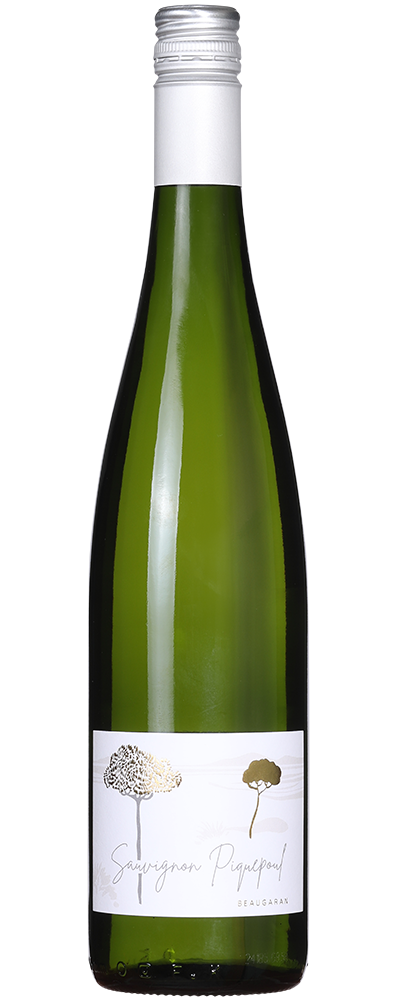
Beaugaran Picpoul Sauvignon
Languedoc
, France

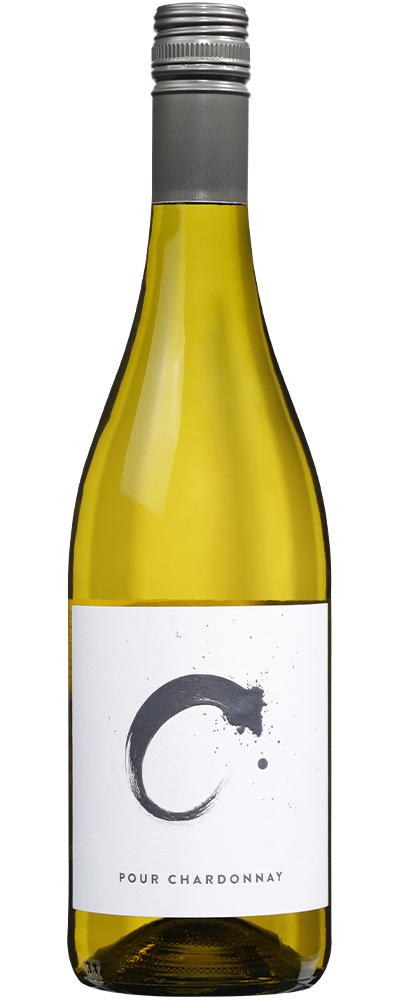
C Pour Chardonnay
Pays d’oc
, France
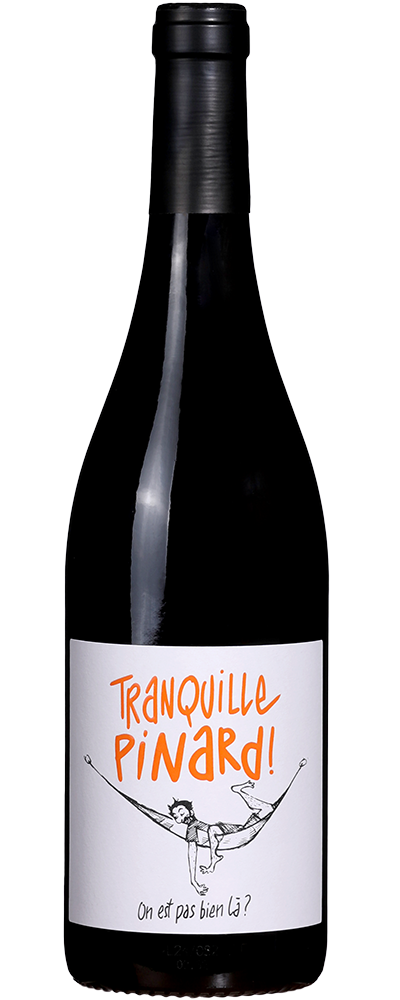
Castelas Tranquille Pinard
Rhone
, France
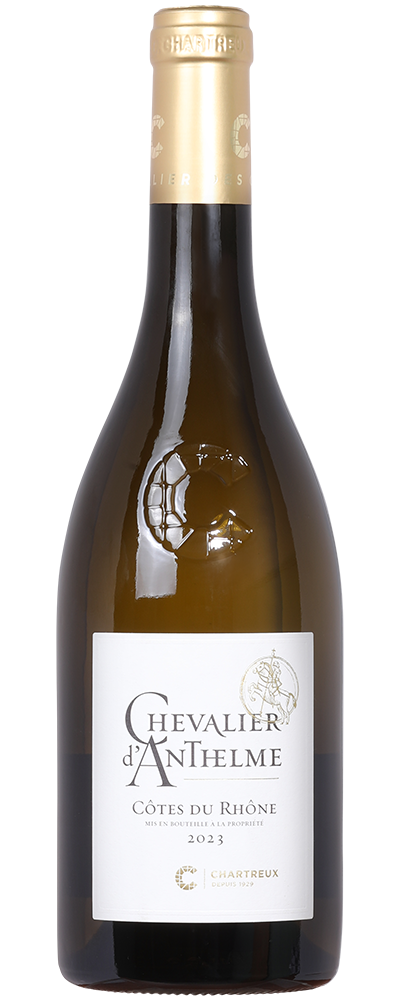
Cellier des Chartreux Chevalier d'Anthelme
Rhone
, France
Ju De Vie Rouge
Rhone
, France
L'Herbe Folle Blanc
Côtes du tarn
, France

€83.74
France is often seen as the founder of the wine world as we know it today. It’s an old wine country with a long history. Many important wine studies have been conducted in France. This long history and extensive research are why wine is cultivated and fermented the way it is today. Because of these traditions, France can sometimes be seen as an old-fashioned wine country. Many families stick to the methods passed down from their parents and rarely experiment. However, in recent years, things have begun to change, partly due to global warming. French winemakers are almost being forced to adapt by introducing new grape varieties and techniques. This allows us to enjoy new styles and wines!
Thanks to the many different soil types and climates in France, wine can be made almost anywhere. On one hand, you have the 'newer' style from Languedoc, which tends to be smoother and may remind you of wines from Chile or South Africa. Then, there are the more classic French wines that can be more tannic and age for up to 20 years. Think of a rich, oak-aged Bordeaux. There’s something for every wine lover. Burgundy wines tend to be lighter but no less complex or rich in flavor, while Rhône wines feature peppery Syrah or spicy Grenache.
Chardonnay from Burgundy and Sauvignon Blanc from the Loire are well-known to many. But France has many more white grape varieties to offer, and these are just as exciting, if not more so, to try. Ever heard of Muscadet (and we don’t mean Muscat, which many people associate with sweet wine)? Muscadet comes from the Loire but is planted near the coast in Nantes. It’s the perfect wine to pair with mussels or other seafood dishes. Or try a wine from Alsace, a region that blends French and German influences. Even if you only drink French wines, there are still plenty of new grapes and wines to discover.
Many classic grape varieties that are now grown worldwide originally come from France. Chardonnay and Sauvignon Blanc are prime examples of this. For red grapes, we look at Cabernet Sauvignon, Merlot, and Pinot Noir. These grapes are still widely planted in France. French winemakers use many of their native grapes, meaning there are plenty of other grape varieties commonly found. For instance, in Rhône, you’ll find a lot of Syrah and Grenache. Beaujolais is famous for its Gamay grape. Classic Provence rosé wines are often based on Cinsault. Each region in France has its own specialties and grapes that thrive in the specific climate. There are as many as 210 grape varieties to choose from in France, so there’s something for everyone!
Many of the world’s top wines come from France. The most prestigious are the wines from Bordeaux, Burgundy, and Champagne. These are considered some of the best in the world, both in quality and price. The most expensive wine in the world was sold for a staggering €558,000 at auction. This was a Romanée-Conti Grand Cru from 1945, a wine from the best vineyards in Burgundy, and of course, a special vintage. Luckily, there are also wines from these regions (perhaps from the second-best vineyards) that are sold at more affordable prices. Other wine regions like the Loire and Languedoc are also important for France and each adds something unique to the wine world. This is fortunate because everyone has different tastes!
